Field-hardened systems for water agencies and growers nationwide — district monitoring networks, on-farm irrigation optimization, and the defensible records that hold up when scrutiny comes.
For Water Agencies and Districts
From multi-basin GSAs to smaller water districts run by their own rights holders — we design, deploy, and operate the field networks that turn basin and conveyance reality into a record you can act on, file with, and claim credit against.
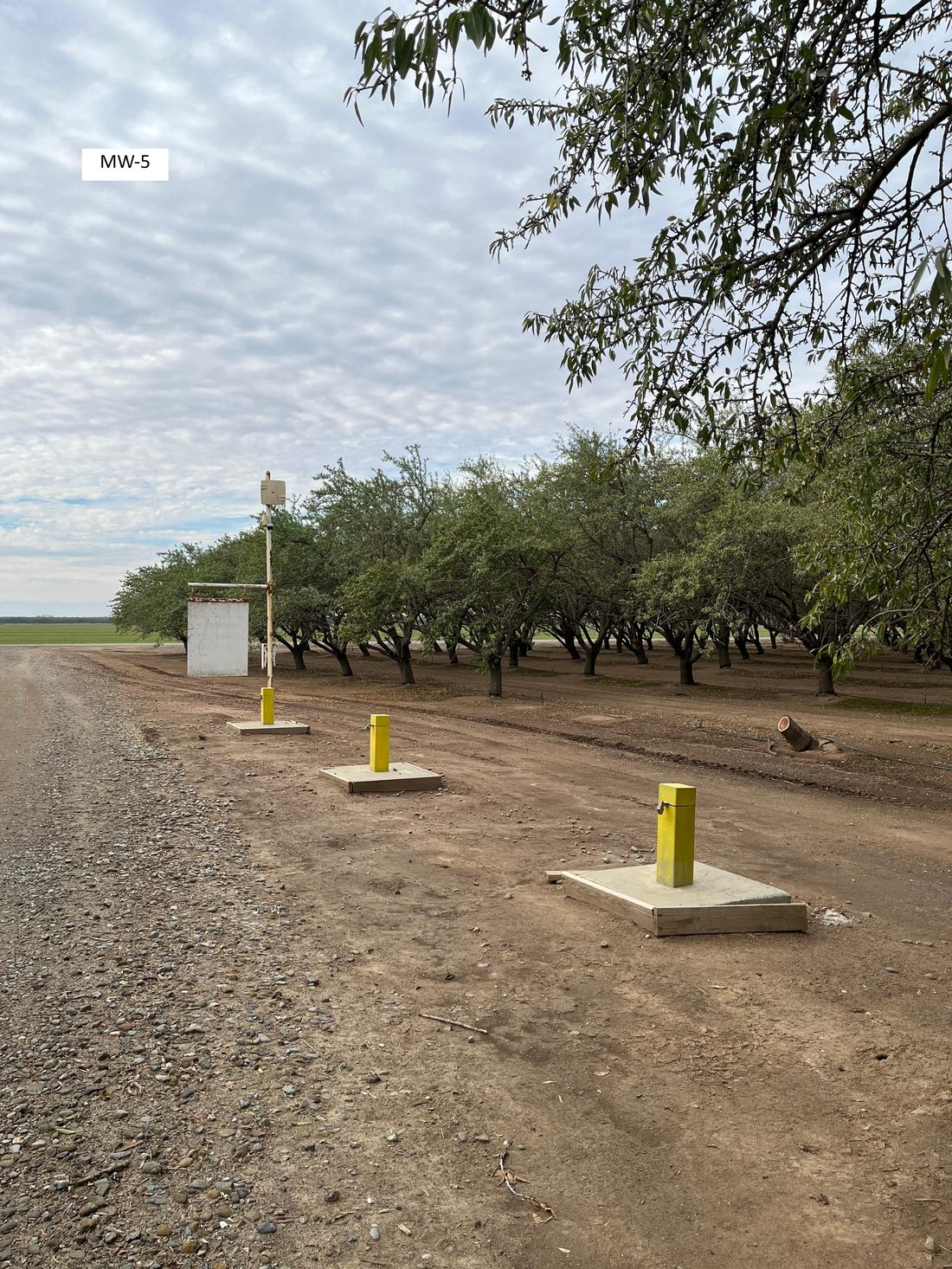
Wells, surface diversions, conveyance, and weather observed as a unified network — at the scale of a basin-wide GSA or a single water district managing its own canals and groundwater wells. Engineered as one system, not a patchwork.
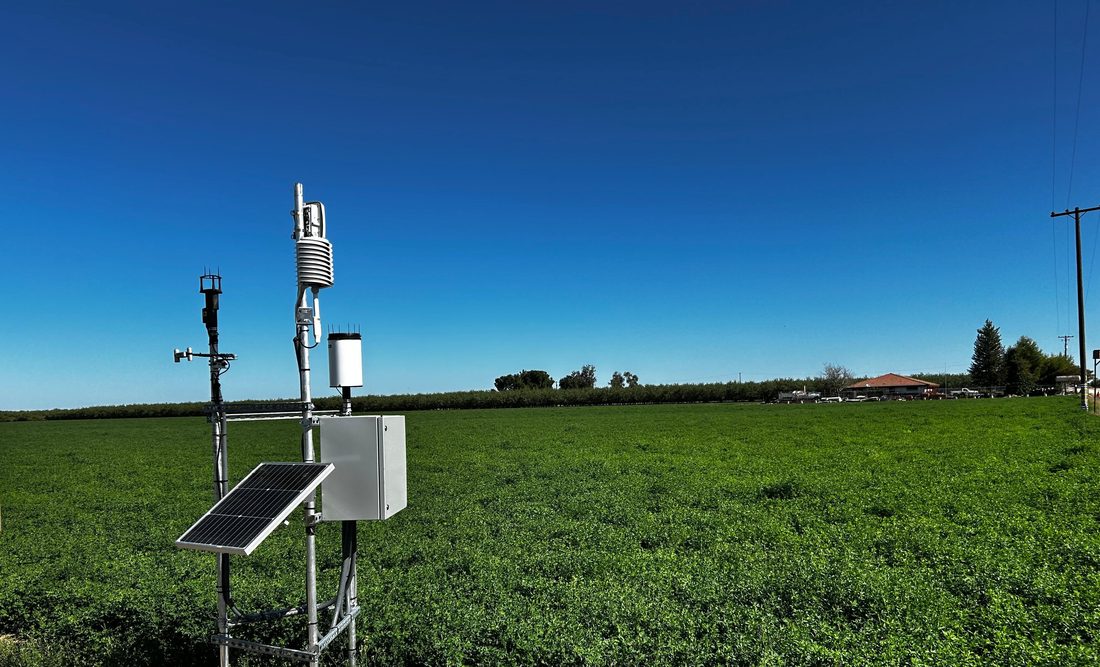
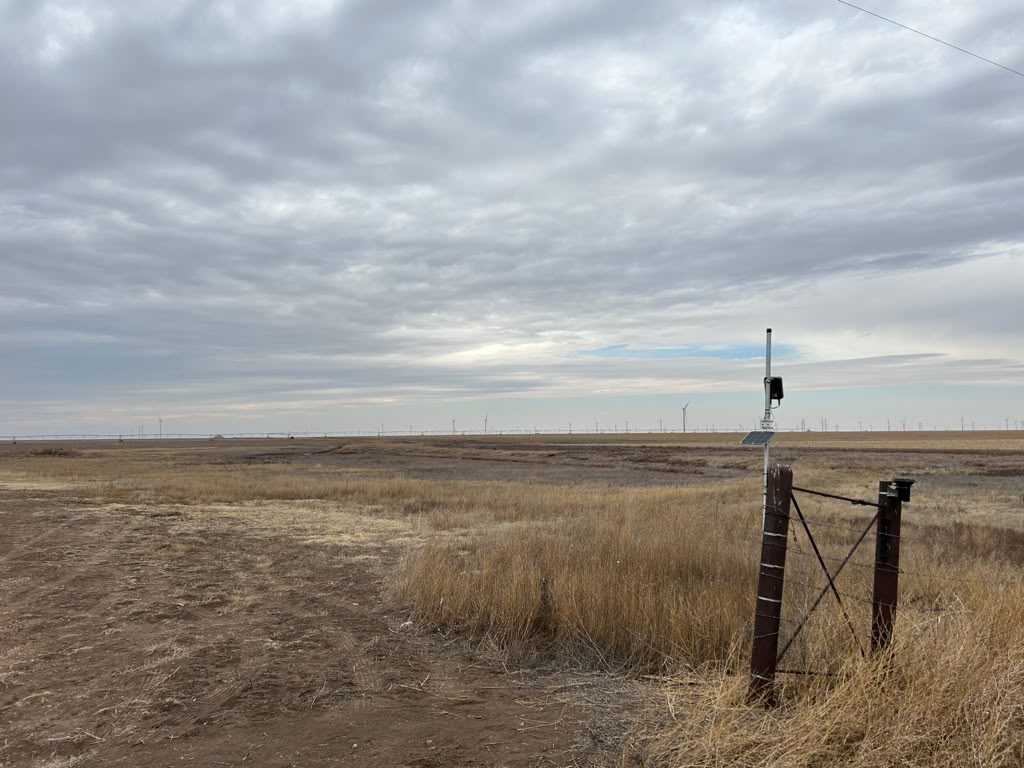
Where regional satellite-derived ET estimates miss precipitation reality on the ground — particularly in the microclimates inside your basin — we put instrumentation in the field to ground-truth the numbers your sustainability plan and operating decisions depend on.
Quantify canal seepage, conveyance losses, and incidental groundwater recharge — so districts can claim the recharge credits their infrastructure already produces, allocate shares fairly, and document basin contributions with field data instead of estimates.
Auditable records for sustainability plan reporting, state board filings, recharge credit accounting, and the allocation and enforcement decisions that get contested. When stakeholders or neighboring interests question your numbers, your data is ready to speak for itself.
For Growers
You already know your fields. We give you the instrumentation to monitor what matters, optimize where it counts, and automate the routine — so every decision you make is grounded in what your fields actually show.
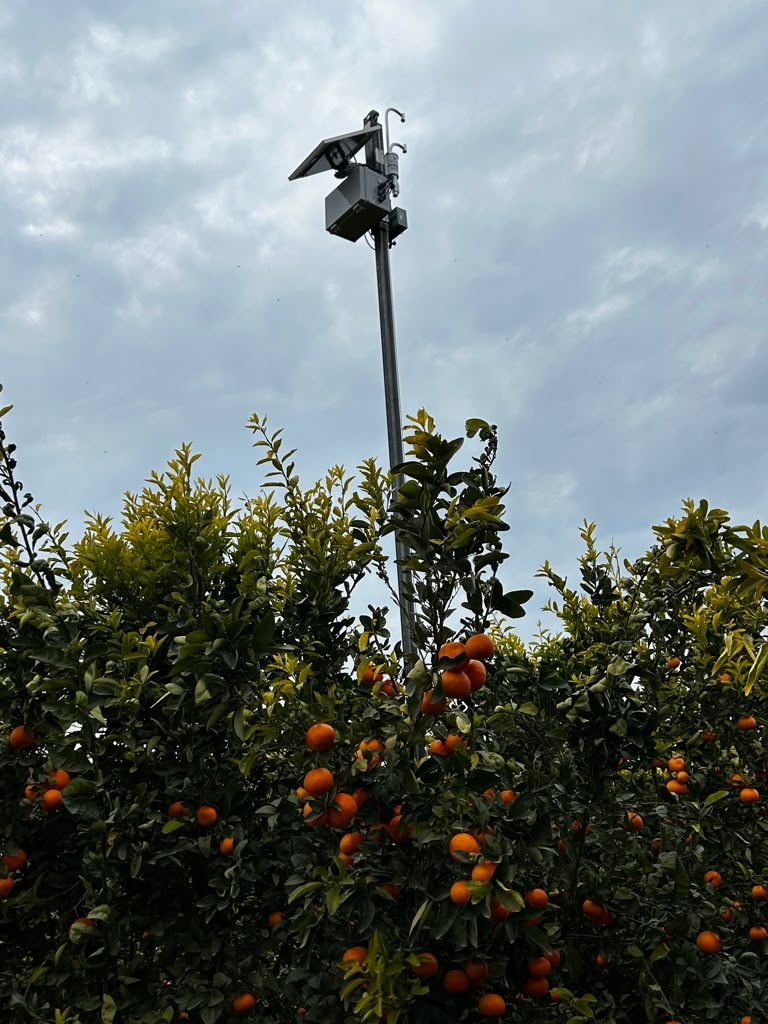
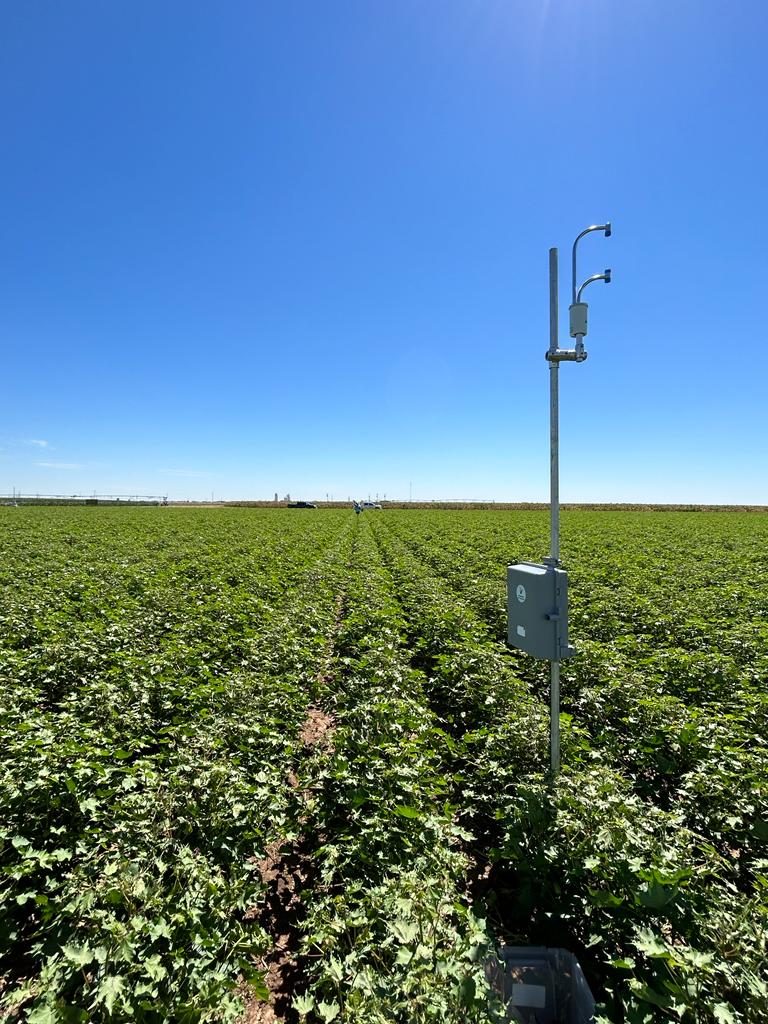
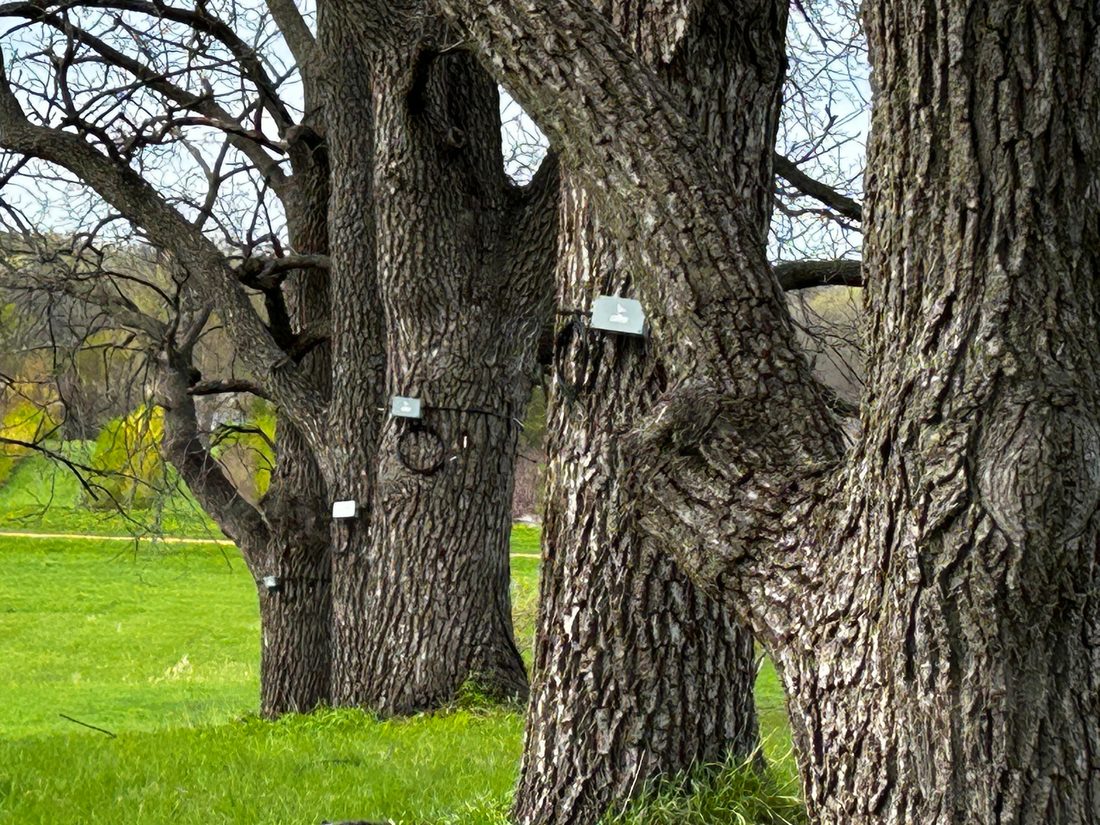
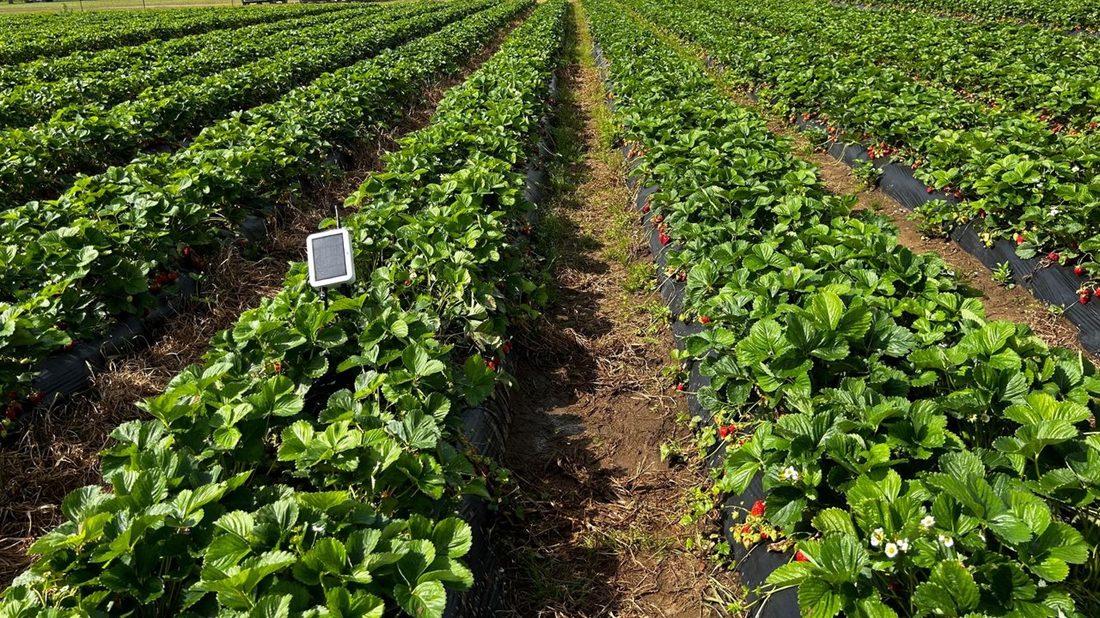
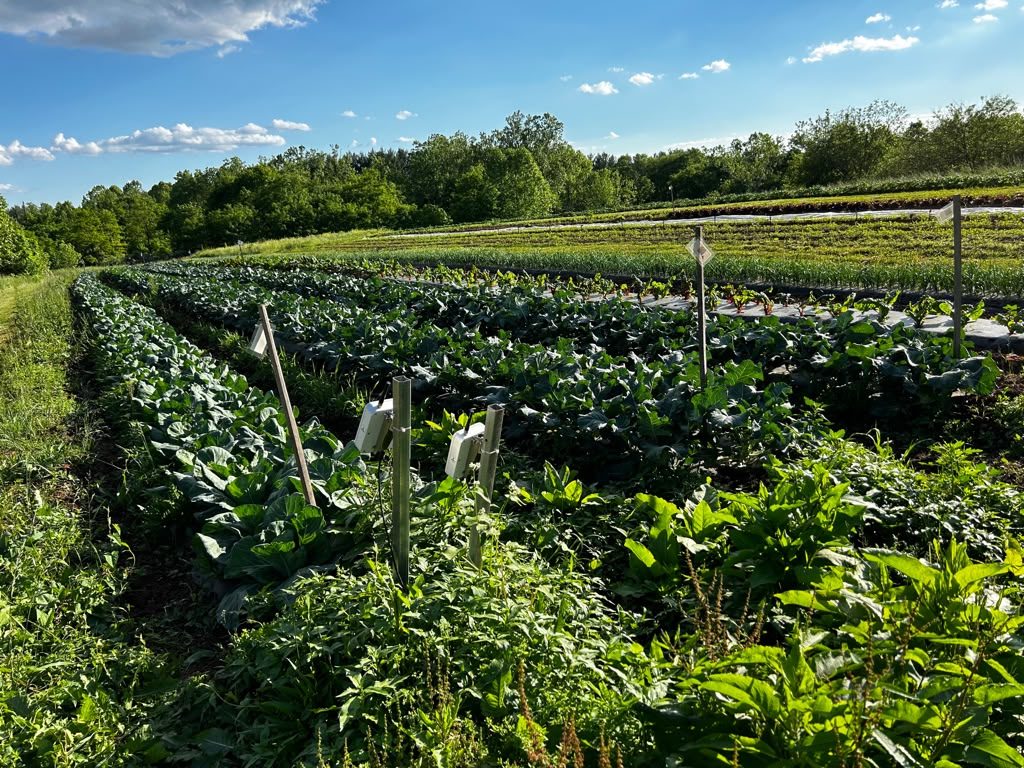
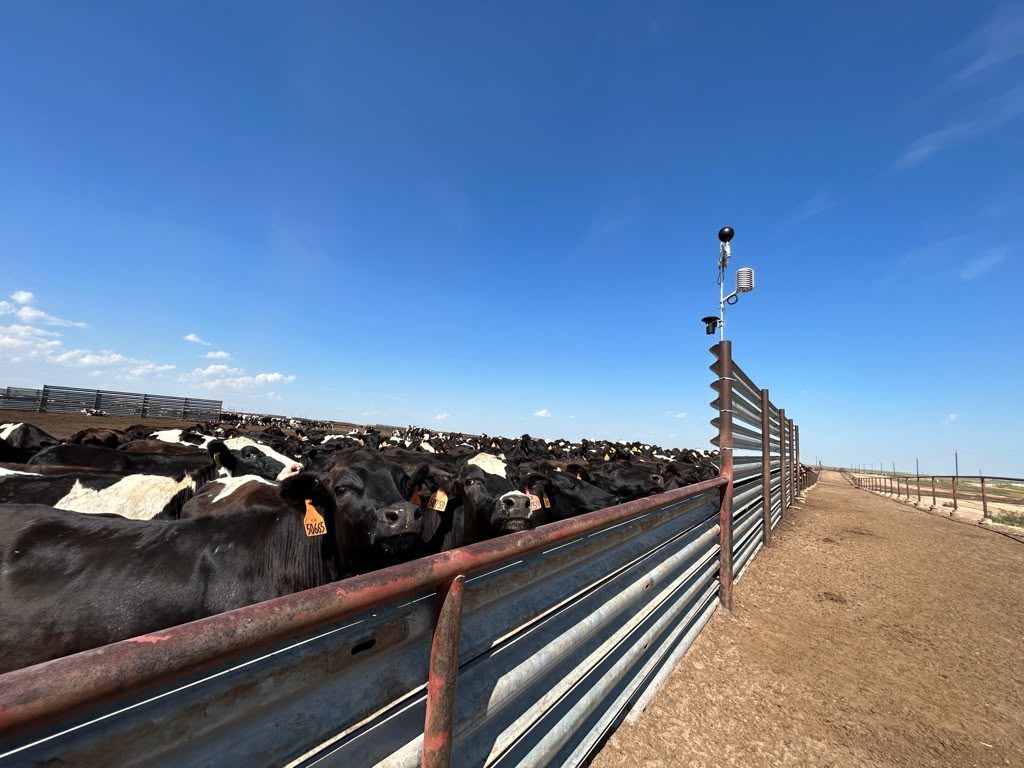
Single- and multi-depth soil moisture (VWC and matric potential), dendrometers, IR canopy stress sensors, and on-site weather — the field-specific data layer underneath every irrigation and operations decision.
Refine irrigation timing and volume using field-specific soil, plant, and weather signals — to save water, lift yields, and replace regional averages with what your fields actually show. For operations where irrigation is an economic decision, not just a compliance one.
Tie monitoring directly to valve and pump control — schedule, trigger, and adjust without driving the perimeter — with flowmeter compliance built in where GSAs and water districts mandate it.
Whether you're allocating water across a basin or defending a single farm's record, the value isn't in dashboards — it's in having the right data, captured correctly, when the answer matters.
What We Deploy
Modular hardware, connectivity, and cloud — configured for the specific monitoring jobs water agencies, growers, and industrial operators actually need done.
Well-network deployments for GSAs and groundwater conservation districts managing basin sustainability across their jurisdictions.
Diversion measurement, canal flow, and seepage characterization — for irrigation districts, small water districts claiming recharge credits, and rights holders filing with state boards.
Field-grade precipitation and ET observations where regional satellite estimates fall short.
Compliance-grade flow monitoring for GSAs, water conservation districts, and grower reporting.
Multi-depth VWC and matric potential, dendrometers, and IR canopy stress detection.
Automated canal turnout flow logging for water districts — replacing manual DSO gate estimates with continuous, defensible records.
Our Hardware
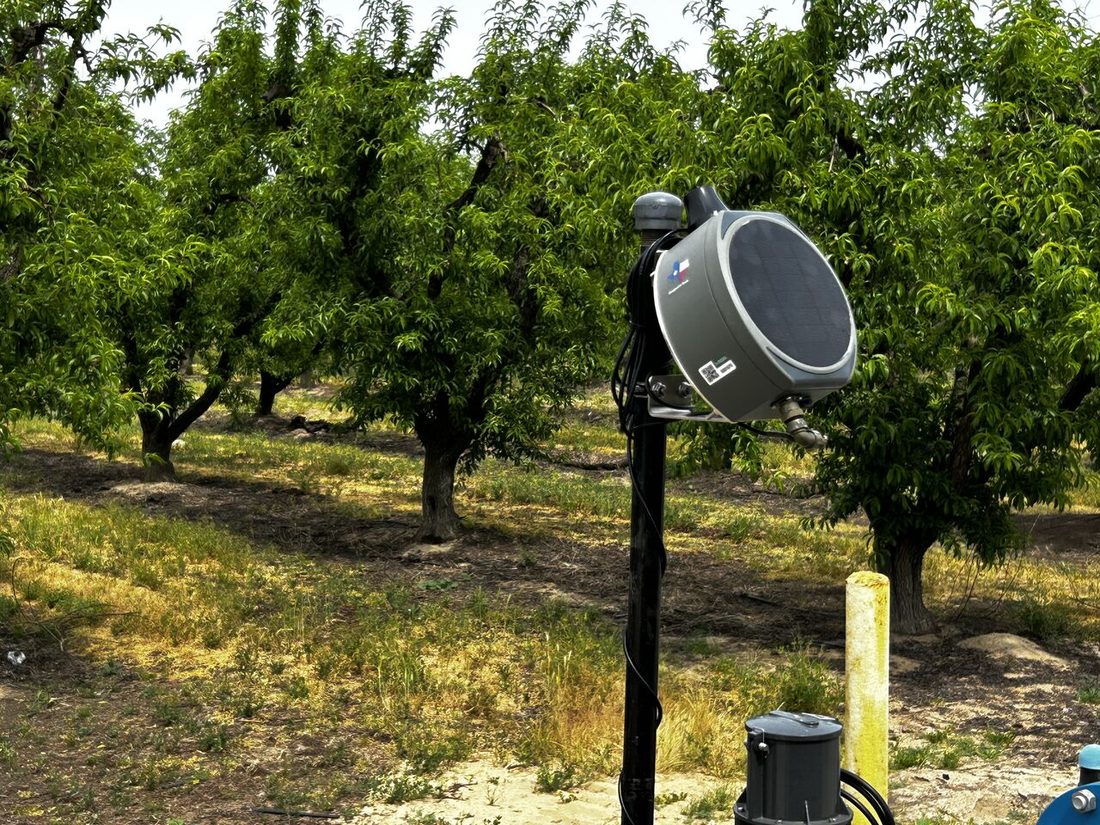
Field-hardened telemetry hardware designed specifically for rugged, independent operation — to monitor remote environments and assets where service trucks don't easily reach and reliable connectivity can't be taken for granted.
A modular family with a consistent design philosophy: long deployment cycles, multi-year battery life, and varied communication options matched to the realities of each site. Available standalone for integrators, system builders, and operators who need a dependable telemetry foundation for their own monitoring stacks — in agriculture, resource conservation, or industrial settings.
Discuss Hermit-series for Your DeploymentHermit S1 — Satellite Telemetry
For remote sites where cellular and LoRaWAN don't reach.
Hermit L1 — LoRaWAN Telemetry
For dense local sensor networks over long-range, low-power radio.
Hermit S2 — Actuator Control
Real-time bidirectional control for remote infrastructure.
More in development
Additional connectivity and capability options on the roadmap.
Our Platform
The cloud platform where Woodpecker solutions are delivered. Whether you're running a basin-wide groundwater network, an irrigation compliance program, a recharge accounting workflow, or a multi-site farm operation — the application you use lives in one consistent operator experience.
Field data, role-based access for districts and operators, configurable reporting and alerts, and an open API for your downstream client applications. The analytics layer underneath grows from baseline monitoring through Layer 3 modeling — without the data ever leaving the record.
Talk to Us About Iris CentralMulti-Solution Platform
Groundwater networks, flowmeter compliance, recharge accounting, irrigation operations — every Woodpecker solution lives in one consistent operator experience.
Configurable Reporting & Alerts
Outputs matched to your obligations — state board filings, GSP reporting, internal stakeholder updates, and condition-triggered notifications.
API for Client Applications
Iris Central data flows into the systems you already use. An open API keeps your team working where they want to work.
Foundation for Layer 3 Analytics
Baseline monitoring, water budget reporting, and the substrate where Layer 3 modeling and custom analytics live.
Architecture at a Glance
Hermit hardware in the field reports to Iris Central — the platform where every Woodpecker solution is delivered to operators, agencies, and growers.
Hardware
Hermit-series
Platform
Where field data converges, gets structured into a record, and powers every Woodpecker solution.
Solutions
Delivered on Iris Central
Our Approach
The same platform supports a state-wide groundwater network, a single grower's flowmeter mandate, and an industrial tank farm — because the underlying hardware, connectivity, and cloud are modular, and because the analytics on top — from baseline reporting through Layer 3 modeling — are only as good as the data they sit on.
Modular Platform
Hardware, connectivity, and cloud configured for the job — across agriculture, resource conservation, and industrial use cases.
Sound Data
Field-grade instrumentation and auditable records, so the numbers hold up wherever they're presented.
Integrated Analytics
Field and system context connected, so the data ties back to the decisions it supports.
Advanced Capabilities
Layer 3 analytics, cross-system modeling, and custom integrations for operations that need to go further than a standard dashboard.
Tell us what you're managing and what you need to be able to prove. We'll respond with a direct, useful answer.